
Peninsula ENT, Frankston / Frankston Private Hospital / Cabrini Hospital
| Day | Time |
|---|---|
| Sunday | N/A |
| Monday | N/A |
| Tuesday | N/A |
| Wednesday | N/A |
| Thursday | N/A |
| Friday | N/A |
| Saturday | N/A |
Consultation Fee
Not specified
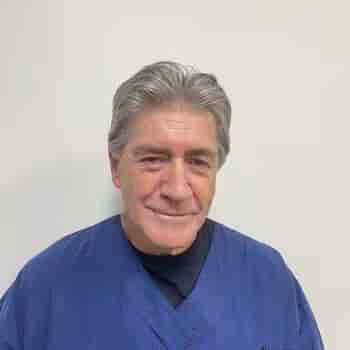
Ear Nose and Throat (ENT) Surgeon




Ear wax removal
Hearing tests
Treatment for sinus infections
Throat pain relief
Allergy testing
Mr Neil Vallance is an Ear Nose and Throat (ENT) Surgeon practicing at Peninsula ENT in Frankston, Victoria. His main work location is 7 Foot Street, Frankston VIC 3199, with the Peninsula ENT clinic serving residents of Frankston and nearby areas. He is a male ENT surgeon and, while his specific degree isn’t listed here, he is described as a specialist in ears, noses and throats. His years of experience are not explicitly stated, but he is active in providing a broad range of ENT care to patients in this community.
Mr Vallance focuses on a wide range of services that matter for everyday health. He offers ear wax removal, which helps people with blocked ears and hearing difficulties. He also conducts hearing tests to check for any changes in hearing and to guide treatment when needed. For people with sinus issues, he provides treatment for sinus infections to help relieve pressure and congestion. For throat discomfort, he offers throat pain relief to reduce discomfort and improve voice and swallowing. Allergy testing is available to help identify triggers and plan better management.
The clinic’s approach is patient-centered. He aims to listen carefully to symptoms and concerns, explain options clearly, and choose practical treatments. His care aims to be straightforward and easy to understand, so patients of all ages can follow along. He understands that ENT problems can affect daily life, from hearing at work to enjoying meals, and he works to restore comfort and function.
In addition to his clinical work, Mr Vallance values continuous learning. He keeps up with new techniques and guidelines in ENT to offer up-to-date care. He collaborates with a team at Peninsula ENT to coordinate tests and treatments. This teamwork helps ensure patients receive smooth referrals, accurate diagnoses, and cohesive follow-up plans.
People in Frankston and surrounding suburbs can trust his professional reputation. His practice in the local community emphasizes reliable, respectful care and clear communication. With a focus on expertise in ear, nose, and throat health, Mr Vallance aims to help patients breathe easier, hear better, and feel more comfortable in everyday life.
For anyone needing ENT care in the Frankston area, including ear wax concerns, hearing checks, sinus issues, throat pain relief, or allergy testing, Mr Neil Vallance offers accessible, professional services at Peninsula ENT, Frankston, with a patient-friendly, straightforward approach that patients can rely on.
MBBS; University of Melbourne; 1977
FRACS - Fellow of the Royal Australasian College of Surgeons
Australian Society of Otolaryngology Head and Neck Surgery
Over 45 years as an ENT Surgeon, specializing in voice/laryngology, phonosurgery, and rhinoplasty
Practices at Peninsula ENT in Frankston, VIC
Operates at Frankston Private Hospital and Cabrini Hospital in Melbourne
Affiliated with Monash Health ENT Clinic
Description:Laryngeal surgery requires a shared airway and close collaboration between surgeon and anaesthetist in order to optimise operating conditions. Apnoeic oxygenation uses the principle of aventilatory mass flow to maintain oxygenation of pulmonary capillary blood under apnoeic conditions while minimising laryngeal movement. Concerns regarding accumulation of carbon dioxide and resultant acidaemia have limited the use of the technique. We performed a prospective study of low-flow apnoeic oxygenation for patients undergoing microlaryngoscopy under general anaesthesia in order to evaluate the ability of the technique to maintain oxygenation and determine the resultant rate of carbon dioxide accumulation. Sixty-four patients undergoing microlaryngoscopy under general anaesthesia were studied between November 2016 and December 2018. Intra-operative oxygenation was provided via a 10-French oxygen catheter placed into the trachea delivering oxygen at 0.5-1.0 l.min-1 . Data regarding apnoea time, peripheral oxygen saturation and venous blood gas concentrations were recorded. The mean (SD) duration of apnoea was 18.7 (7.2) min. Apnoeic oxygenation allowed successful completion of the surgical procedure in 62/64 patients. Mean (SD) rate of rise of the venous partial pressure of carbon dioxide was 0.15 (0.10) kPa.min-1 . Operating conditions were recorded qualitatively as being adequate in all cases. No adverse effects were reported. Low-flow intra-tracheal apnoeic oxygenation is a simple, effective and inexpensive technique to maintain oxygenation for laryngeal surgery.
Description:Background: Working music theater singers (MTS) typically have a heavy vocal load and little is known about their perception of vocal function. The Evaluation of the Ability to Sing Easily (EASE) was used to assess professional MTS' perceptions of current singing voice status and to compare scores across demographic and performance characteristics and to evaluate the construct validity of the EASE and its subscales (VF = Vocal Fatigue, PRI = Pathologic-Risk Indicators). Methods: Professional MTS (n = 284) completed an online survey including the EASE and two additional Vocal Concern (VC) items. Scores were compared across age, gender, whether currently working, role, perceived vocal load over the past 24 h and self-reported voice problem. Results: For the whole cohort, statistically significant differences were found on all subscales according to whether or not singers perceived themselves to have a voice problem (p < 0.001). Currently performing singers were significantly different from those not performing in a show on the EASE Total (p = 0.014) and VF (p = 0.002), but not for PRI and VC. In the currently performing singer group, significant differences were found for gender, role and perceived voice problem on the EASE Total and all subscales (p < 0.01). Significantly higher VF scores were recorded for singers with heavy vocal load (p = 0.01), but there were no differences on the EASE Total (p = 0.57), PRI (p = 0.19) or VC subscales (p = 0.53). Among these performing singers, no significant age differences were found for any EASE subscales. Conclusions: These findings provide further validation of the EASE as a useful tool for measuring singers' perceptions of vocal function and suggest that the subscales should be scored separately. Future evaluation of the EASE against objective clinical assessments (e.g., videostroboscopy) is recommended.
Description:Background: Human papillomavirus (HPV) infection is a powerful prognostic biomarker in a subset of head and neck squamous cell carcinomas, specifically oropharyngeal cancers. However, the role of HPV in non-oropharyngeal sites, such as the larynx, remains unconfirmed. Methods: We evaluated a cohort of 324 laryngeal squamous cell carcinoma (LSCC) patients for the expression of p16(INK4A) (p16) protein by immunohistochemistry (IHC) and for high-risk HPV E6 and E7 mRNA transcripts by RNA in situ hybridisation (ISH). p16 expression and HPV status were correlated with clinicopathological features and outcomes. Results: Of 307 patients assessable for p16 IHC, 20 (6.5%) were p16 positive. Females and node-positive patients were more likely to be p16 positive (P<0.05). There were no other significant clinical or demographic differences between p16-positive and -negative cases. There was no difference in overall survival (OS) between p16-positive and -negative patients with 2-year survival of 79% in each group (HR=0.83, 95% CI 0.36-1.89, P=0.65). There was no statistically significant difference in failure-free survival (FFS) with 2-year FFS of 79% and 66% for p16-positive and -negative patients, respectively (HR=0.60, 95% CI 0.26-1.36, P=0.22). Only seven cases were found to be HPV RNA ISH positive, all of which were p16 IHC positive. There was no statistically significant difference in OS between patients with HPV RNA ISH-positive tumours compared with -negative tumours with 2-year survival of 86% and 71%, respectively (HR=0.76, 95% CI 0.23-2.5, P=0.65). The 2-year FFS was 86% and 59%, respectively (HR=0.62, 95% CI 0.19-2.03, P=0.43). Conclusions: p16 overexpression is infrequent in LSCC and the proportion of cases with high-risk HPV transcripts is even lower. There are no statistically significant correlations between p16 IHC or HPV RNA ISH status and OS or disease outcomes.
Description:Idiopathic bilateral vocal cord paralysis (VCP) is a rare and difficult condition often undiagnosed and frequently confused with asthma and other respiratory conditions. Accurate diagnosis is crucial since 80% of cases patients require surgical intervention, such as tracheostomy or laser surgery, to relieve symptoms. The "gold standard" for diagnosing VCP has been laryngoscopy. In this case study, we demonstrate for the first time that idiopathic bilateral VCP can be accurately diagnosed by means of a novel noninvasive methodology: dynamic volume 320-slice computed tomography larynx. Three-dimensional reconstruction of laryngeal motion during the breathing cycle permitted functional assessment of the larynx showing absence of vocal cord movements. The new methodology may be valuable for noninvasive diagnosis of vocal cord movement disorders before and for follow-up after surgery.